
Charting the Future of Adult Cerebral Palsy Care: Priorities for Multicenter Research

The study team was led by Dr. Cristina Sarmiento for her Accelerator Award funded by CPARF. The team include Drs Mary Gannotti and Ed Hurvitz and community partner Jocelyn Cohen, JD. who is also an executive at CPARF.
The Cerebral Palsy Research Network is pleased to announce a new milestone publication that establishes critical areas of need for adult health in people with cerebral palsy (CP). These specific areas include bone health, kidney health and preventive care, and the study proposes an agenda for investigating future interventions for adults with CP.
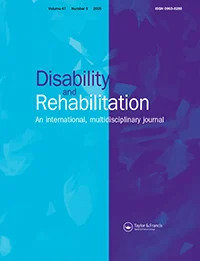
The study, “Priority Setting for Multicenter Research Among Adults with Cerebral Palsy: A Qualitative Study” was recently published in the journal Disability and Rehabilitation. Thank you to Cristina Sarmiento, MD, Jocelyn Cohen, Mary Gannotti, PT PhD, and Edward Hurvitz, MD for leading this study which captures the rich and diverse perspectives of community members concerns related to adult health and aging with CP. The findings were summarized in our MyCP webinar back in September 2024. The webinar can be by subscribing to our YouTube channel.
Bridging the Knowledge Gap
The study brought together adults with CP, caregivers, clinical investigators, and community leaders to share their views on adult healthcare gaps in CP. Participants concluded that both providers and individuals with CP often lack vital information about aging. Many participants shared their struggle of having to educate their own doctors about their unique health needs—a situation that underscores the urgent need for improved clinical training and more awareness about how aging with CP may differ from the general population.
A Renewed Focus on Preventive Care
Preventive care emerged as the top research priority among the three research areas discussed. Participants described preventive care as essential not only for early detection and treatment of chronic conditions—such as fractures, kidney disease, and cardiovascular issues—but also for enhancing overall quality of life. They highlighted that current preventive screening guidelines, largely designed for the general population, often fail to account for the distinct risks faced by adults with CP.
Barriers to effective preventive care were a recurring theme. Many shared stories of navigating the transition from pediatric to adult care, a period marked by discontinuities in services and a lingering misconception that CP is solely a childhood condition. Inaccessible healthcare facilities, particularly in the realm of women’s health screenings like mammograms and pelvic exams, were cited as major obstacles as well. Other challenges include brief clinical visits that leave little time for tailored preventive screening, addressing insurance hurdles, and a shortage of primary care providers well-versed in CP-specific needs.
Empowering both patients and providers is crucial. The study participants stressed the need for bidirectional education—ensuring that healthcare professionals receive better training on CP care while simultaneously empowering adults with CP to advocate for their unique health needs. This dual approach could pave the way for the development of personalized screening protocols and targeted interventions that reflect each patient’s functional level, age, and overall risk profile.
Embracing a Precision Medicine Approach
Alongside preventive care, the study advocates for a precision medicine approach which means tailoring screening and treatment protocols based on individual risk factors—including mobility status, medical history, and lifestyle. Following precision medicine strategies promises more effective and efficient care for each person. Such an approach is expected to bridge the current gaps in care and contribute to better long-term outcomes.
The Impact of Aging
As individuals with CP live longer, they face a complex landscape of age-related challenges. The study notes that as the CP population ages, the prevalence of chronic conditions such as osteopenia, hypertension, and kidney disease increases, often at younger ages than seen in the general population. Aging adults with CP also encounter compounded issues—ranging from increased fall risk to greater difficulties in accessing care. These factors contribute to a cycle of declining health that can further limit mobility and independence. Enhanced preventive care is critical in mitigating these risks, ensuring that aging adults with CP receive timely interventions that address both the immediate and long-term health challenges associated with aging.
Confronting Ableism in Healthcare
The research also brings to light the detrimental impact of ableism on care delivery where providers make assumptions about healthcare needs based on discriminatory beliefs about people with disabilities. Many participants recounted experiences where bias or a lack of understanding regarding CP led to inadequate or dismissive treatment. The call to action is clear: it is imperative to dismantle these prejudices through comprehensive training for healthcare professionals and by amplifying the voices of people with lived experience. Addressing ableism is essential for creating a healthcare environment where all individuals receive equitable and respectful treatment.
Looking Forward: A Roadmap for Change
 The insights from this qualitative study lay a foundation for future multicenter research efforts. By placing preventive care and the challenges of aging at the forefront of the adult CP research agenda, the study not only highlights immediate areas for intervention but also calls for a transformative approach to healthcare—one that is personalized, inclusive, and proactive.
The full article is available for free in Disability and Rehabilitation for people interested in delving deeper into the study’s findings. As the CP Research Network continues to foster collaborations among patients, caregivers, clinicians, and community leaders, there is renewed optimism that targeted, preventive strategies will lead to earlier diagnoses, better treatment outcomes, and ultimately, a higher quality of life for adults with CP. Together, with our community members, we are charting a new course and creating a meaningful healthcare framework for addressing the healthcare needs of adults with cerebral palsy.


